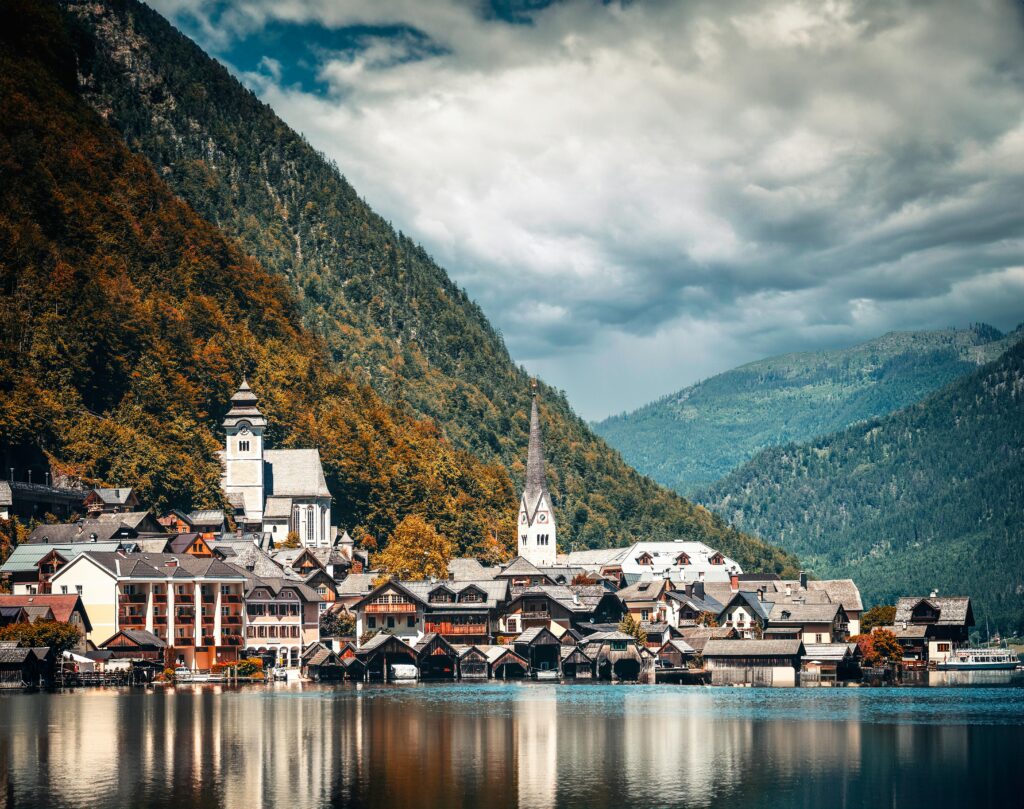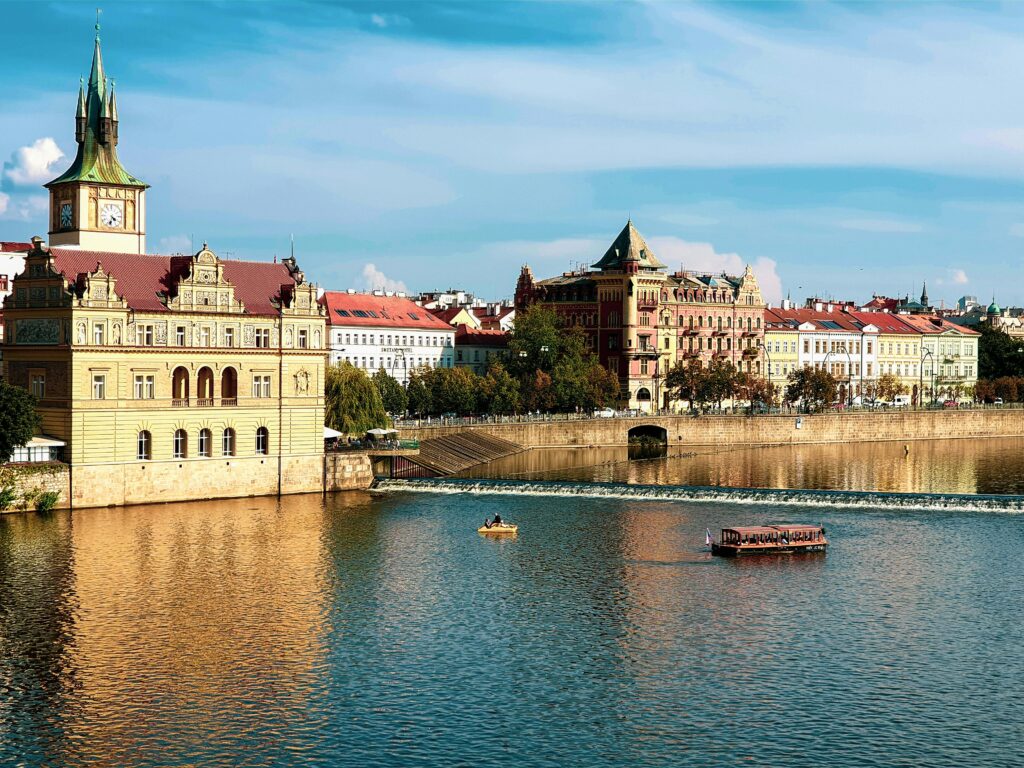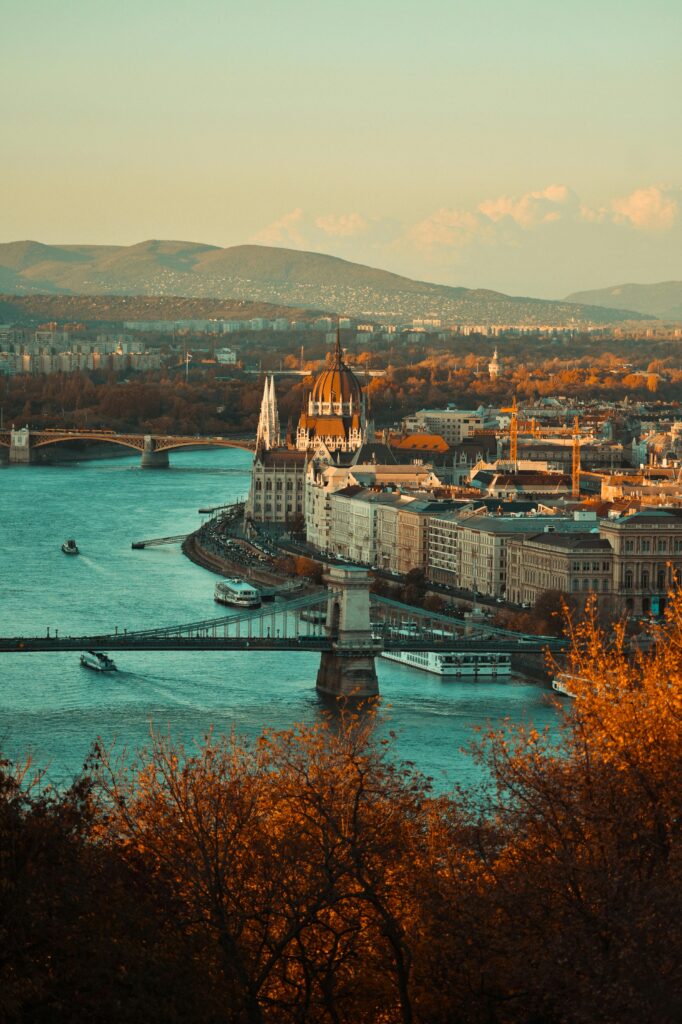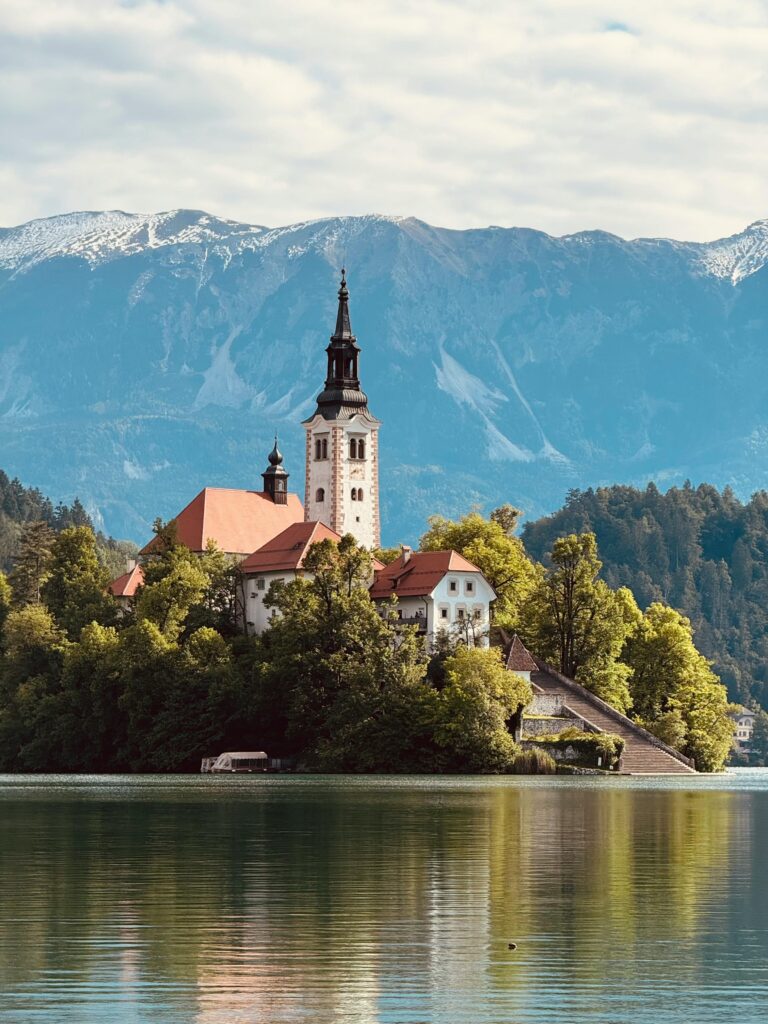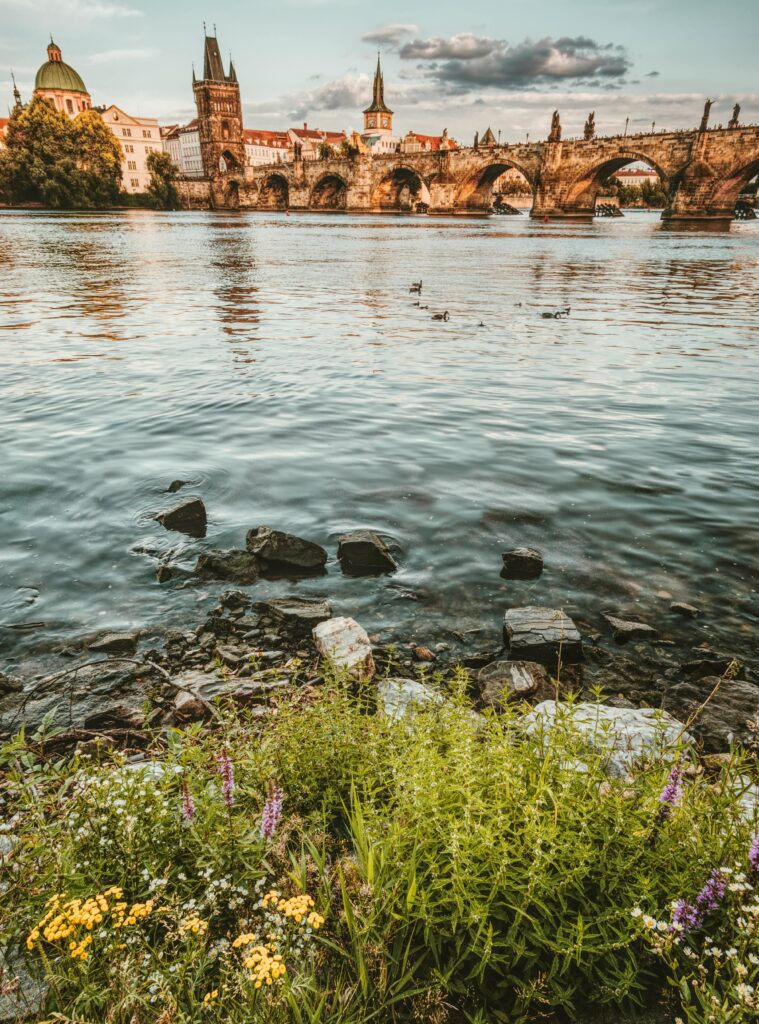

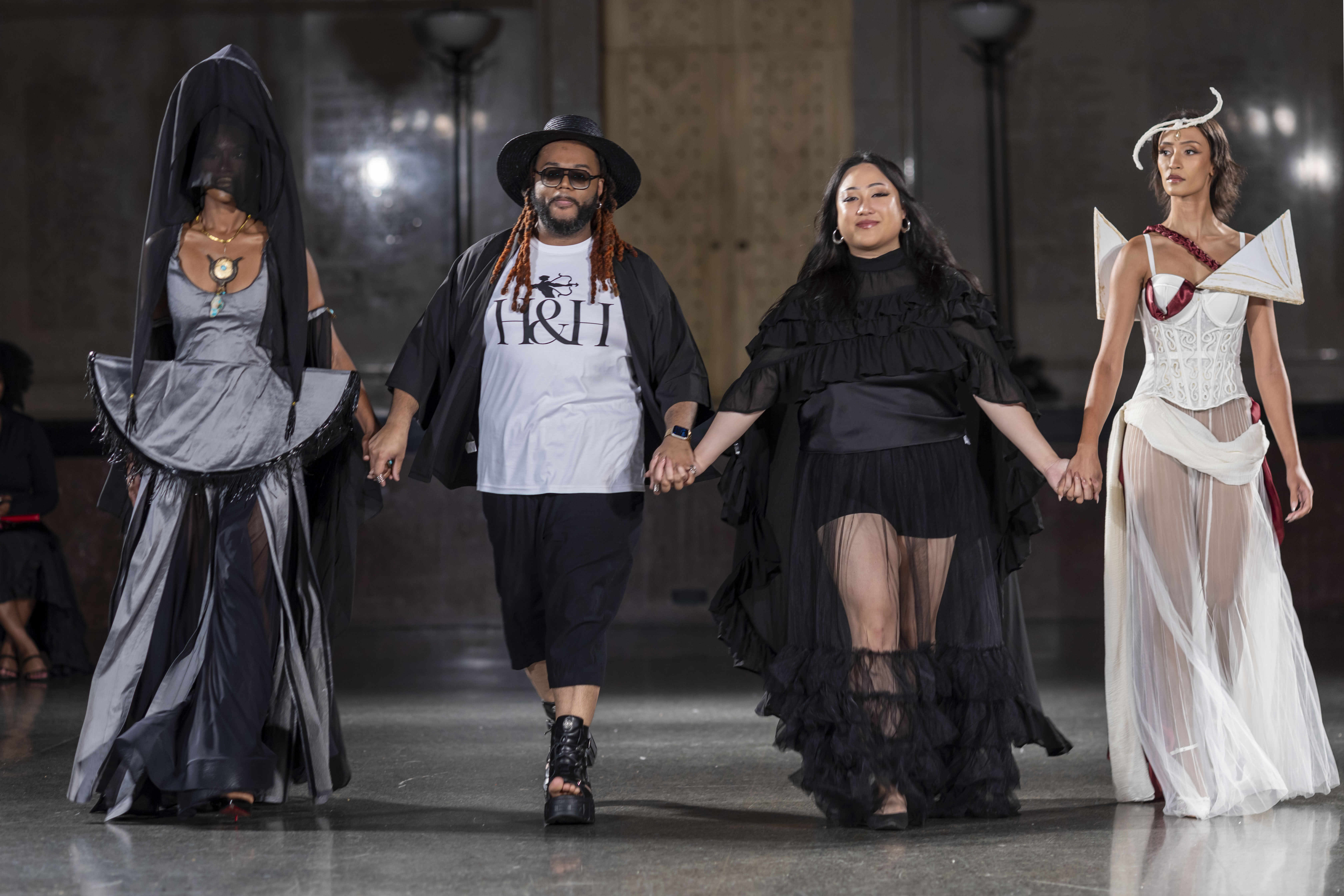



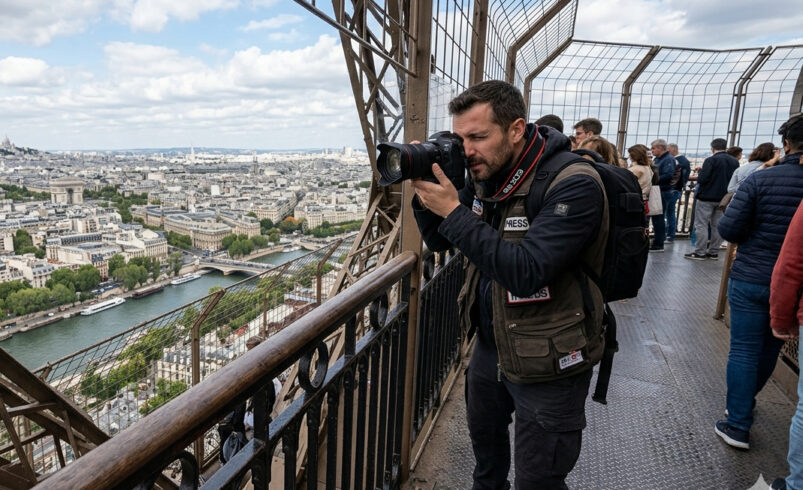

Europe is a mosaic of light, history, and texture. From the brutalist angles of Berlin to the sun-drenched terracotta of Tuscany, the continent offers an infinite canvas. But for the traveling photographer, the difference between a memory and a masterpiece often lies in the logistics.
Whether you’re shooting for a gallery or a glossy spread, here are the essential tips for navigating Europe behind the lens.
1. The Art of the “Light Lift”
In Europe, your biggest enemy isn’t bad weather—it’s cobblestones and stairs. Most historic centers are pedestrian-only, meaning you’ll be clocking 20,000 steps a day.
- Go Mirrorless: If you haven’t made the switch, now is the time. Shaving a few pounds off your neck will keep you shooting longer.
- The Prime Advantage: Instead of a heavy 24-70mm zoom, consider two fast primes (like a 35mm and an 85mm). They are lighter, more discreet, and force more creative compositions.
- The Stealth Bag: Avoid bags that scream “expensive camera inside.” A rugged, weathered canvas messenger bag with padded inserts is less of a target for pickpockets and blends into the cafe culture.
2. Mastering the European Light
The high latitudes of Europe mean the light behaves differently than in the tropics.
- The Blue Hour in the City: While the Golden Hour is great for landscapes, the “Blue Hour” (just after sunset) is where European cities shine. The mix of deep indigo skies and warm street lamps creates a cinematic, moody aesthetic.
- Embrace the “Bad” Weather: Don’t hide when the North Sea clouds roll in or a Parisian drizzle starts. Wet pavement acts as a natural reflector, adding depth and saturation to street scenes.
3. Cultural Etiquette & Legalities
Europeans generally value privacy, and laws can be stricter than you might expect.
- Street Photography: In countries like Germany and France, privacy laws (such as the Right to one’s own image) are robust. Always be respectful. A smile and a nod go a long way, but if someone signals “no,” move on immediately.
- The Tripod Trap: Many major landmarks (the Eiffel Tower, St. Mark’s Square) require a permit for tripod use, as they are classified as commercial equipment. Use a “platypod” or a beanbag on a ledge to get those long exposures without drawing security’s attention.