





The Art of the Hunt in a World of Fast Fashion
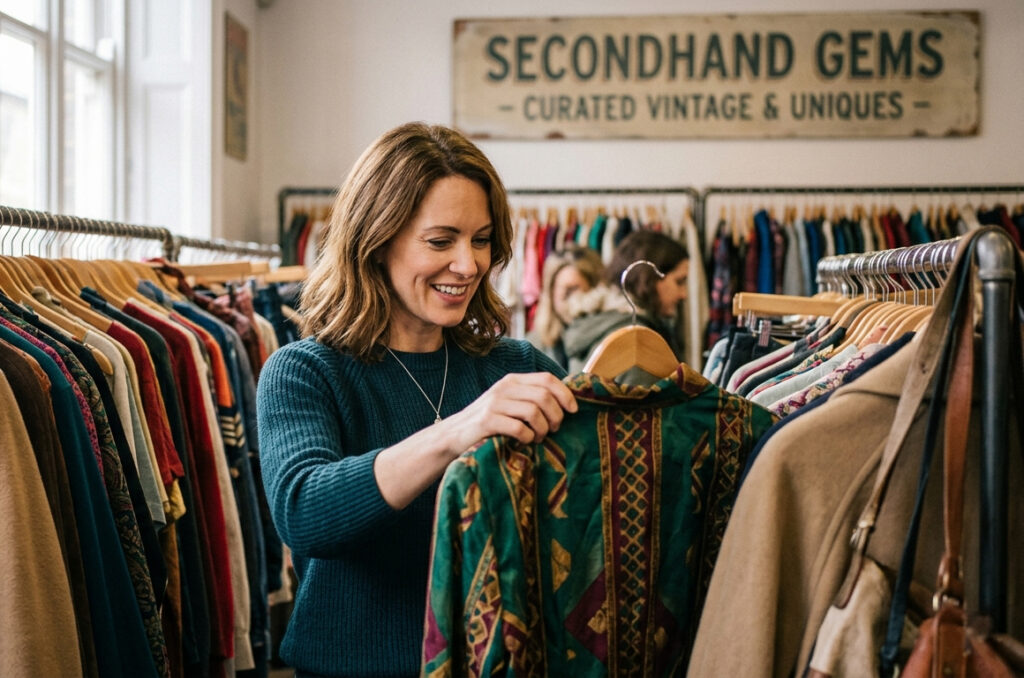
There is a specific kind of adrenaline known only to the seasoned thrifter. It’s that sudden spark of electricity when a flash of high-quality silk peeks out from a row of pilled polyester, or when the dust is wiped away from a mid-century ceramic vase hidden behind a stack of chipped mugs.
In an era of “add to cart” convenience and disposable trends, secondhand shopping has evolved from a budget necessity into a sophisticated treasure hunt. It’s no longer just about saving money; it’s about curating a life that feels authentic, sustainable, and entirely one-of-a-kind.
The Thrill of the “One-of-One”
The primary appeal of the secondhand store is the death of the “carbon copy.” When you shop at a major retailer, you are buying into a vision shared by thousands of others. When you step into a thrift shop, you are entering a chaotic museum of personal histories.
Finding a “gem” isn’t just about the brand name—though scoring a vintage Burberry trench for the price of a pizza is certainly a win. A true gem is an item with soul. It’s the hand-knit sweater with buttons that look like tiny acorns, or the solid wood side table that just needs a little beeswax to glow again. These items anchor a home or a wardrobe, providing a narrative that “new” items simply can’t mimic.
Strategies for the Successful Scout
Thrifting is an art, but it’s also a discipline. To find the gold among the dross, you need a game plan:
- Dress for the Occasion: Wear fitted clothing (like leggings and a tank top) so you can try things on over your clothes if the fitting rooms are closed or crowded.
- Touch Everything: Your hands will often find quality before your eyes do. Train your fingers to recognize the weight of real leather, the coolness of natural linen, and the sturdiness of dovetail joints in furniture.
- Ignore the Size Tag: Vintage sizing is notoriously fickle, and previous owners may have tailored the garment. If you love it, try it on.
- The “Good Bones” Rule: Look for structural integrity. A gorgeous velvet chair with a wobbly leg is a weekend project; a gorgeous velvet chair with a shattered frame is a heartbreak. Know what you can fix and what you should leave behind.
The Ethical Edge
Beyond the aesthetic rewards, there is a profound ethical satisfaction in secondhand shopping. The fashion industry is responsible for significant environmental impact, from water consumption to landfill waste. By opting for “pre-loved” goods, you are effectively extending the lifecycle of an object and casting a vote against the cycle of overproduction.
“Buying secondhand is a quiet act of rebellion against the temporary. It is an investment in craftsmanship that has already stood the test of time.”
The Final Reveal
The best part of finding a hidden gem? The story you get to tell when someone asks, “Where did you get that?”
Instead of naming a mall brand, you get to recount the rainy Tuesday you spent ducking into a small charity shop on the edge of town. You get to talk about the $10 find that became your favorite possession. In the end, secondhand shopping isn’t just about the things we buy—it’s about the patience, curiosity, and vision we develop along the way.
So, the next time you see a “Thrift Store” sign, pull over. Your next favorite heirloom is waiting for someone with the eye to find it.